KEY TERMS
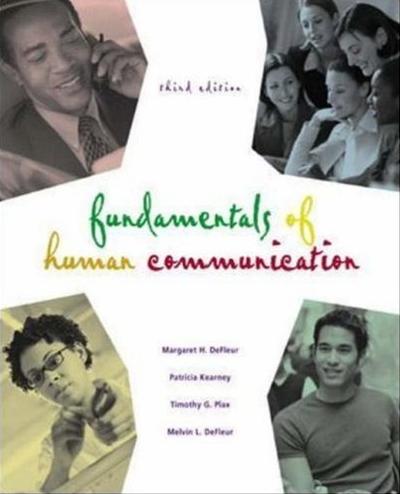
Artifacts – Physical objects that people possess. Things, such as, a car, purse, laptop, clothing, etc. (DeFleur, Kearney, Plax, DeFleur, 2005).
Chronemics – A field of study that looks at the ways in which people treat time and use time to communicate. Cultural and psychological time are the two main aspects of chronemics (DeVito, 2002).
Collectivism – the process by which the group itself has a higher value than the individual values of its members (DeFleur, at all, 2005).
Connotative Meaning – Meanings that are subjective. An interaction that occurs when feelings or emotions are mixed with signs (Fiske, 1990).
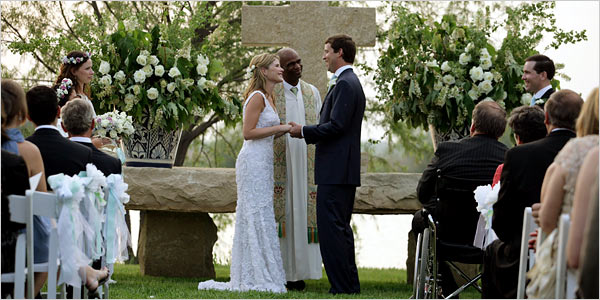
Context – The social and cultural setting in which communication takes place. Examples include a meeting at an office or a wedding at a church (DeFleur, Kearney, Plax, 1993).
Cost-benefit ratio – the amount of effort and/or resources involved in maintaining certain relationships and the benefits of those relationships (DeFleur, at all, 1993).
Culture – a broad term that includes an overview of the customs, language and beliefs of a group of people (DeFleur, at all, 1993).
Cultural exclusion – is the belief that one’s way of thinking is the only “right way of thinking” and other ways are wrong (DeFleur, at all, 2005).
Cultural inclusion – a conscious decision to accept and respect others, who think or behave differently (DeFleur, at all, 2005).
Cultural pluralism – could be considered another name for diversity, where personal cultural identities are maintained in alongside a larger common culture (DeFleur, at all, 2005).
Decision-making group – a group, who comes together and engages in discussions, which should result in orderly conclusions (DeFleur, at all, 1993).

Decoding – Transforming an incoming message into symbols (DeFleur, at all, 1993).
Denotative Meaning – The common sense or obvious meaning of a sign (Fiske, 1990).
Distortion/Noise & Kinds of Noise – Unintended meanings that displace the sender’s intended message. Distortion happens verbally, nonverbally, and contextually (DeFleur, at all, 1993).
Dyad – two persons in a long-term committed relationship (DeFleur, at all, 1993).
Encoding – A pattern of words or gestures that have particular meanings and are sent out by a sender to a receiver (DeFleur, at all, 1993).
Ethnocentrism – personal belief that one’s own identity and way of life are better than everybody else’s (DeFleur, at all, 2005).
Feedback – Occurs when a receiver sends a verbal or nonverbal message back to the sender (DeFleur, at all, 1993).
Femininity - cultural attitudes that focus on female gender orientation with respect to motherhood and traditional sexual roles (DeFleur, at all, 2005).
Forum – another type of discussion group involving a lecture or public meeting which involves audience participation and coordinated by a chair person (DeFleur, at all, 1993).
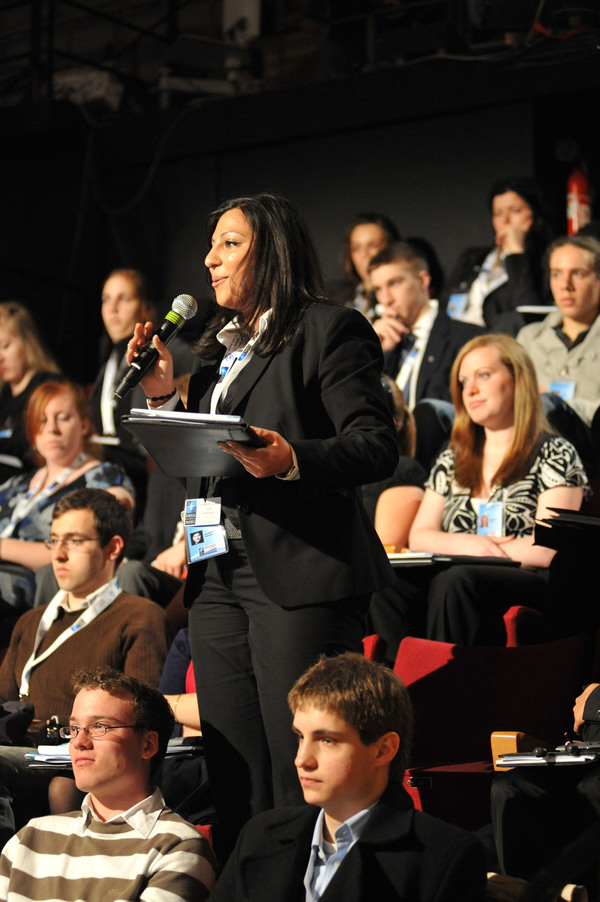
Group communication – communicating with more than one person in a non-personal way using different communication techniques better suited for a wider audience (DeFleur, at all, 1993).
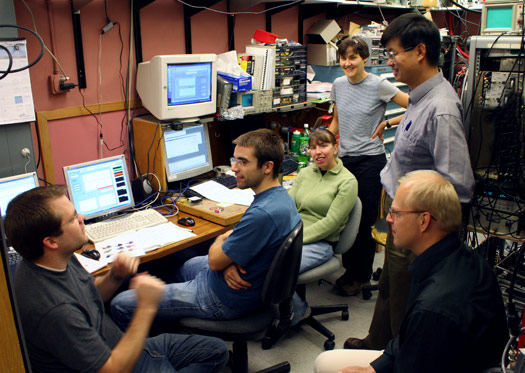
Human Communication – Social interaction through messages. There are an infinite number of ways to communicate. Examples of ways people communicate include and are not limited to; speaking, writing, clothing, hair style, and gestures (Fiske, 1990).
Impression management – a conscious use of verbal and nonverbal signals intended to deliver a particular impression of oneself to someone else (DeFleur, at all, 1993).
Individualism – belief in the value of the individual person and their personal attributes (DeFleur, at all, 2005).
Interpersonal communication – direct communication between two people, who are familiar with each other and through continued communication, established more personal communication (DeFleur, at all, 1993).
Language – Words, cues, signs, and labels that have shared meaning to a group (DeFleur, at all, 2005).

Masculinity – cultural attitudes that focus on male gender orientation with respect to achievement, success and sexual roles (DeFleur, at all, 2005).
Meaning (deep) – Basic ideas that are practical in purpose (DeFleur, at all, 2005).
Meaning (surface) – The overall intended elements of a message. Meaning that is exact (DeFleur, at all, 2005).
Nonverbal Communication – The deliberate or unintentional use of objects, actions, sounds, time and space that imply specific meanings. A handshake, a pat on the back, and an eye roll are examples of nonverbal communication (DeFleur, at all, 1993).
Nonverbal immediacy – form of communication involving actions and signals without speech that convey a message to someone physically close (DeFleur, at all, 1993).
Norms – the rules of a society or group that sets the boundaries for activities and/or behaviors (DeFleur, at all, 2005).
Oculesics – A field of study that looks at eye contact and pupil dilation in nonverbal communication (DeFleur, at all, 2005).
Panel – formalized type of group discussion, where the members of the panel are subject experts or representatives. A moderator leads the panel before a larger group (DeVito, 2002).
Power distance – within society, the importance of such things as power, rank and status (DeFleur, at all, 2005).
Proxemics – A field of study that looks at how people treat space. There are four distances that define the types of relationships between people. They are intimate distance, personal distance, social distance, and public distance (DeVito, 2002).
Receiver – Someone or something that takes in a message. Receivers can be individuals, groups, audiences, or machines that store information (DeVito, 2002).
Referent – What a symbol refers to, labels, or stands for (DeFleur, at all, 2005).
Regulators – Nonverbal behaviors that monitor, control, coordinate, or maintain the communication of a person. A head nod, for example, is a regulator that tells a person to continue speaking (DeVito, 2002).
Roles – are the parts that people play in a group in terms of who has the right to say what to whom and who must listen to the words of another (DeFleur, at all, 2005).
Role-taking – An important part of encoding. A sender mentally takes the role of the receiver in order to be better understood (DeFleur, at all, 1993).
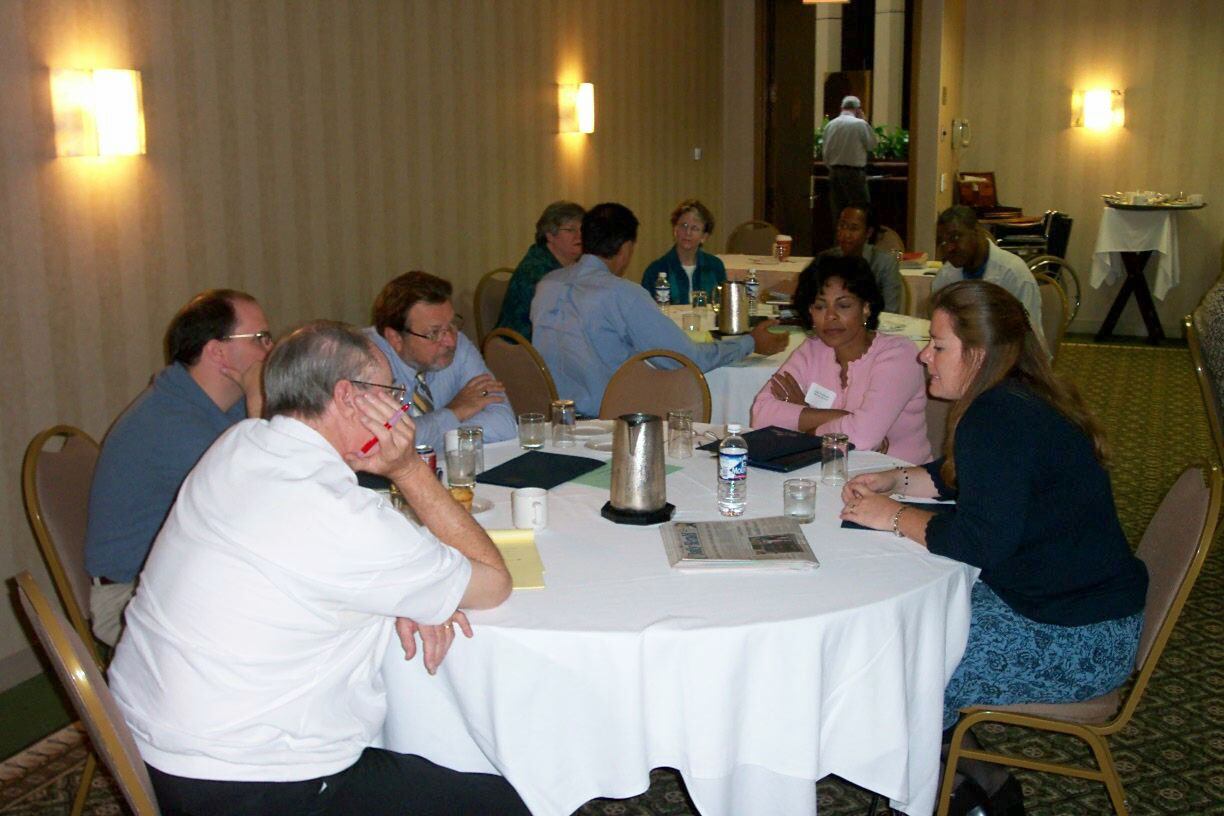
Round table – an informal discussion group with no audience where members of the group are usually sitting in a circular fashion (DeVito, 2002).
Schema – Concepts that are organized and recorded in a person’s memory. A simple example of a schema is a shoe. A more complex example of a schema is Christmas (DeFleur, at all, 1993).

Self-disclosure – is a communication process, where one individual tells other individual facts about their personal attributes and characteristics in such a way as to reveal their personality and nature (DeFleur, at all, 1993).
Seminar – small discussion group usually consisting of senior students or a type of meeting for giving and discussing information (DeFleur, at all, 2005).
Sender-receiver reciprocity – is a give and take form of communication between two individuals, who each engage in different roles in the conversation (DeFleur, at all, 1993).
Sender-receiver similarity – this is a form of communication where both parties have common understandings of language and meaning and do not need feedback to understand their signs and symbols (DeFleur, at all, 1993).
Signs – Words and events that are associated with subsequent events. Signs are also used by animals (DeFleur, at all, 2005).
Signals – Responses by animals to subtle human cues. For example, a dog may whimper as a signal to get a treat (DeFleur, at all, 2005).
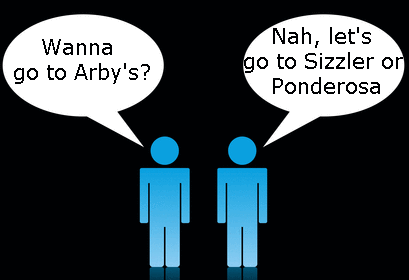
Small talk/phatic communication – conversational dialogue that is not intended to communicate or educate, but merely to express social and emotional expressions (DeFleur, at all, 1993).
Source or Sender – The decision maker. The source decides which message to send, the message is changed into a signal, and sent through a channel to the receiver or receivers (Fiske, 1990).
Symbols – Socially agreed upon words, gestures, signs, signals, or other cues that have a common meaning among a group of people (DeFleur, at all, 1993).
Symposium – a highly formal type of discussion group with a group of experts making formalized speeches lead by a moderator (DeVito, 2002).
Syntax – Rules for putting signs together so they make sense and have meaning (DeFleur, at all, 2005).
Task-orientation group – a group of people, who come together to focus on one specific outcome or goal (DeFleur, at all, 1993).
Vocalics – A field of study that looks at how vocal cues signal meaning to others. Nervous, confident, sad, and happy are examples of vocal tones that could signal meaning (DeFleur, at all, 2005).