RESEARCHERS/IMPORTANT THEORISTS
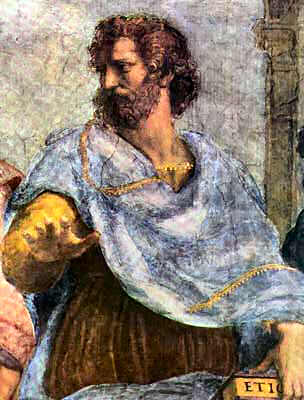
Aristotle – (384 BC – 322 BC) Greek philosopher who studied under Plato. It is believed that Aristotle wrote 150 philosophical treatises but only 30 survived. Aristotle’s treatises are wide in scope. His treatises address philosophical problems, biology, physics, and politics. Aristotle believed that reality exists through physical objects that are experienced. Objects have potential (matter) and reality (form) according to Aristotle. The form for living creatures is the soul. Plants have the lowest kinds of souls, animals have higher souls, and humans have reasoning souls. Aristotle also believed that the universe has no beginning and no end (University of California Museum of Paleontology.edu).
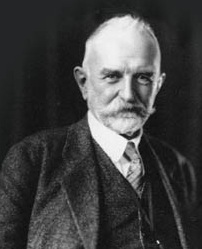
George Herbert Mead – (1863-1931) One of the original founders of Pragmatism and one of the founders of social psychology. Mead was skilled at public speaking and actually never wrote a full book. He had a great effect on the development of symbolic interactionism. The most fundamental component of symbolic interactionism is how the individual mind and self arises out of the social process. Mead described language as communication through symbols. He believed that the words “me” and “I” were distinct phases of self. Mead’s research of the mind and self are the foundation of symbolic interactionism. Mead’s most notable published articles include; The Philosophy of the Present (1932), Mind, Self and Society (1934), and Movements of Thought in the Nineteenth Century (1936). (University of Colorado at Boulder.edu).
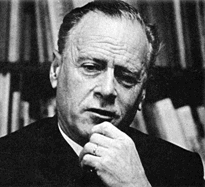
Marshall McLuhan – (1911-1980) A communications theorist who was the originator of the expressions “hot and cool media” and “the medium is the message.” His most famous expression was that of “the global village.” In McLuhan’s global village people enjoy increased involvement in one another’s lives through electronic technology. According to McLuhan this global village brings a beneficial relationship to people who are separated by distance. McLuhan was also the author of Understanding Media: The Extensions of Man (Baran, 2009).
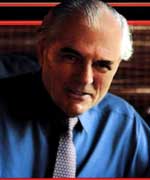
Irving Janis – (1918-1990) A social psychologist at Yale University who studied communication and persuasion, military morale, psychological stress, fear-arousing persuasion, decision making, and the pattern of group decision processes (groupthink). According to Janis, groupthink occurs when agreement among members of the group becomes more important than the group’s issues. Groupthink arises when members of a group avoid being harsh to their fellow group members and group leaders. This idea of groupthink increases as group cohesiveness increases. Groups don’t necessarily suffer from groupthink in the same fashion. Janis says that there are eight symptoms of groupthink; pressure, self-censorship, unanimity, invulnerability, rationale, morality, stereotypes, and mindguards (Stanford.edu).
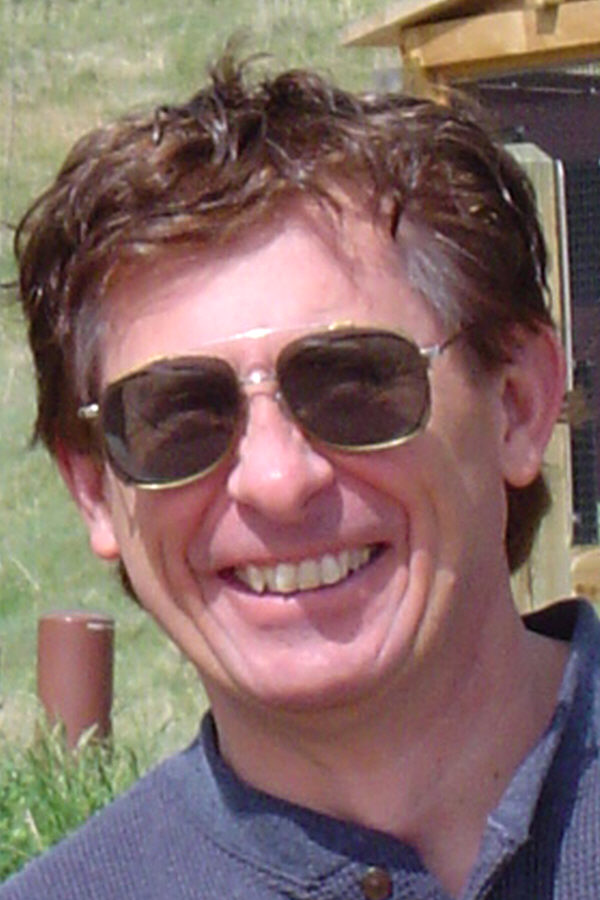
Stanley Deetz – A professor of Communication at the University of Colorado at Boulder. Deetz’s expertise is in the field of organizational communication. He looks at commercial and community organizations from an internal perspective and their consequences on society. He encourages collaborative communication practices among organizations because he believes this will lead to greater democracy, higher quality decisions, and more productive cooperation. Deetz is currently researching the relations of power in work sites and how they are reproduced in everyday life. Deetz has published over 100 essays and has written many books including; Leading Organizations through Transitions and Transforming Communication, Transforming Business (University of Colorado at Boulder.edu).
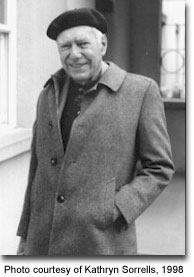
Edward T. Hall – (1914-present) Edward T. Hall is an American anthropologist, who developed the study of human use of space, called proxemics. The theory of proxemics states that human perceptions of space are developed and influenced by culture. The theory goes on to define three specific spatial concepts. Individuals surround themselves with:
· Intimate space – the closet area of space that surrounds a person is reserved for their friends and significant others.
· Social space – the area of space, where people feel comfortable having social interactions with acquaintances and strangers.
· Public space- the area of space, the furthest away from people, where their activities are impersonal and anonymous
(Regents of University of California, Santa Barbara; Nina Brown)
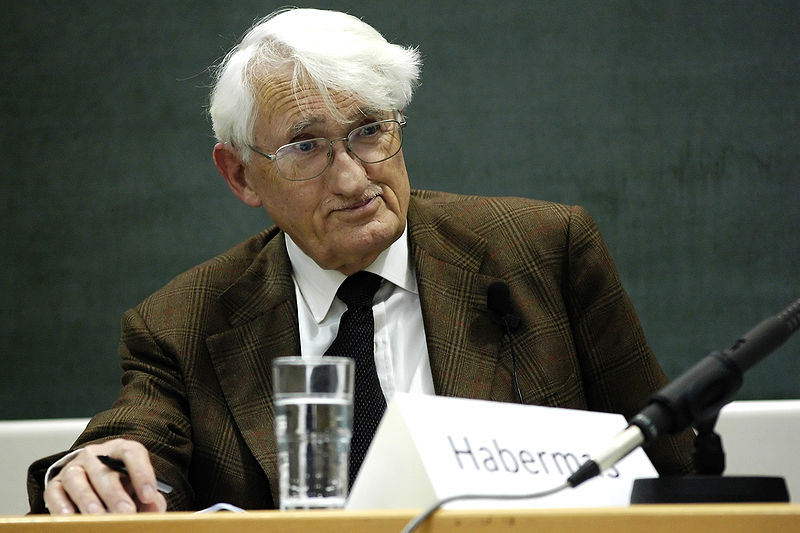
Jurgen Habermas – (1929-present) Jurgen Habermas is a German philosopher, political scientist and sociologist. Jurgen is responsible for the concept of the ‘public sphere’. The public sphere as defined by Habermas is the social world that surrounds human beings. Habermas believed that an individual could promote their beliefs and ideals using rational arguments and critical discussion in the public sphere. Jurgen also believed that the strength of an individual’s beliefs and ideas was more important than their own identity. Jurgen felt that societies were founded on the concept of the public sphere, without regard for the individual personalities behind the political movements or public opinions. (Stanford University; Stanford Encyclopedia of Philosophy)


Phillip K. Tompkins & George Cheney – Tompkins and Cheney are two modern scholars, who developed the theory of organizational identification, which defines and explores how individual identities develop in and have an effect on an organization. Many scholars define organizations in different ways, such as machines, systems, networks etc. Tompkins and Cheney view an organization as a network, where outsiders can see how individuals’ interactions merge to build an organization. Tompkins and Cheney’s theory goes on to state that an individuals’ identification with an organization is a woven part of the decision making process of an organization. To put this more simply, if someone identifies with an organization that they are part of, they value the organization’s goals and objectives as their own. (University of Colorardo at Boulder; University of Utah - Department of Communication)

Fredric Jablin – (1952-2004) Fredric Jablin was a professor at the University of Richmond (VA). Dr. Jablin taught his students how to think and organize in his organizational communications and research methodology classes. Jablin was so well thought of and respected, that a research fellowship was begun in his name after his murder in 2004. Professor Jablin spent 10 years at the university and was directly involved in furthering the school’s central mission of service to others. Individuals working with non-profits and grant foundations were educated by Professor Jablin and went on to do outstanding philanthropic work, both locally and nationally. (University of Richmond - VA)